Cooking can feel intimidating, especially when you are worried about making mistakes: burning the garlic, adding too much seasoning, or ruining the entire dish. But the truth is, confidence in the kitchen does not come from avoiding mistakes. It comes from learning how to accept them and handle them.
Mistakes Are Not the End of the World
I have burned garlic many times. I have also ruined a couple of pans after becoming distracted and forgetting that something was still cooking.
Garlic was not the only thing I burned. I also remember frying fish in an aluminum wok and watching it stick almost immediately because the pan was not hot enough. I waited, hoping a crust would form and help it release, but when I tried to force the fish off the wok, it broke apart. Half came loose, while the other half stayed stubbornly stuck to the pan. What should have been a simple fried fish turned into a stressful kitchen disaster.
At one time, I have also been heavy-handed with salt. One small miscalculation turned an ordinary soup into something that tasted almost like fish sauce.
Another time, I was boiling saba, or cooking bananas, over high heat. I became busy multitasking and completely forgot about the pot. Before long, the smell of burning caught my attention. By then, the bananas were ruined, and the pan was badly damaged as well.
Did those mistakes make me quit cooking? Of course not.
The satisfaction I feel when I prepare a delicious meal is far greater than the disappointment of a failed dish. Instead of allowing mistakes to discourage me, I learned from them and improved the way I cook.
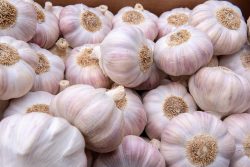
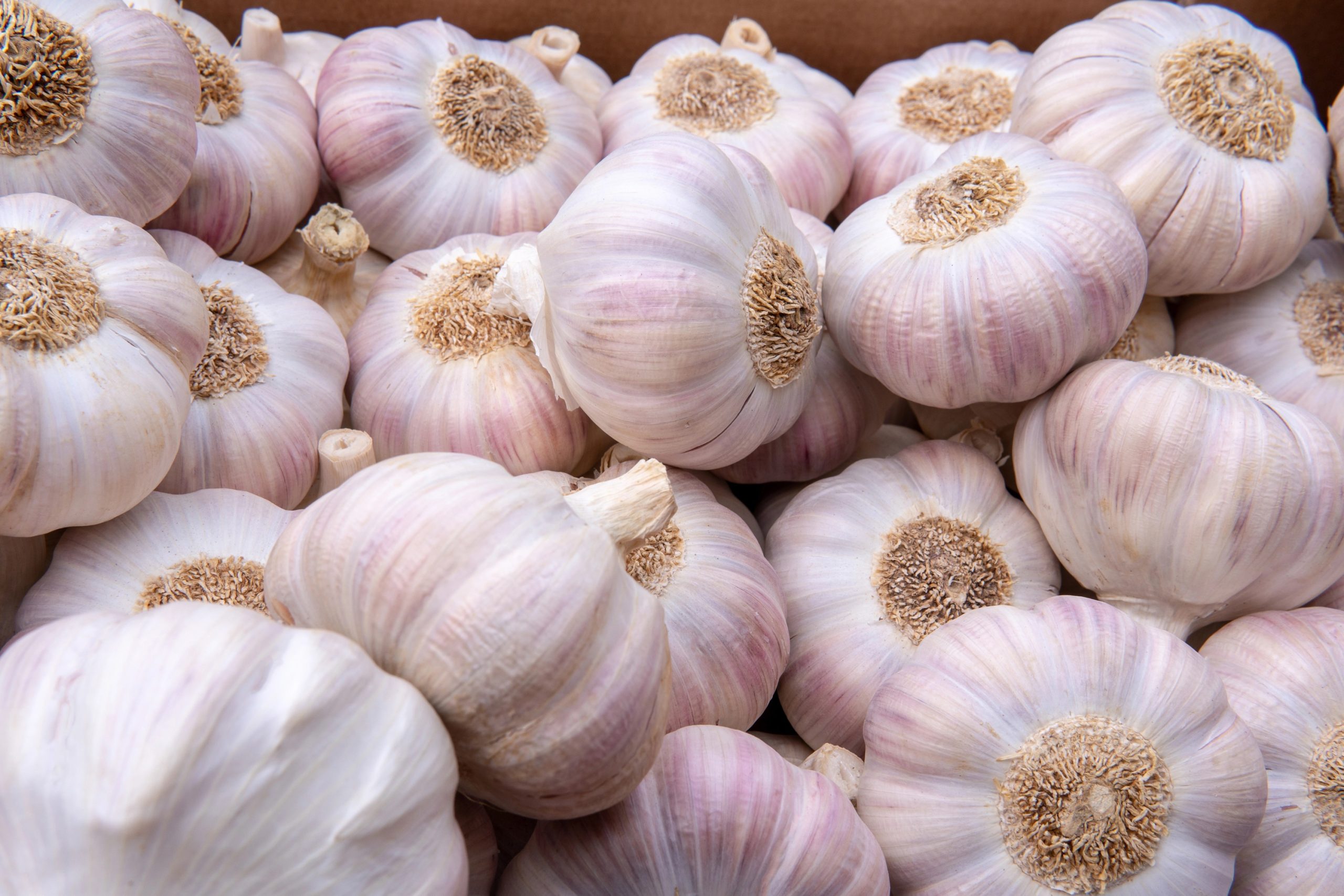
When sautéing garlic, I now use medium heat and keep a close eye on the pan. Garlic can quickly go from fragrant and golden to dark and bitter, so it requires attention. I may use high heat when a cooking technique calls for it, but only when I am prepared to stay beside the stove and work quickly.
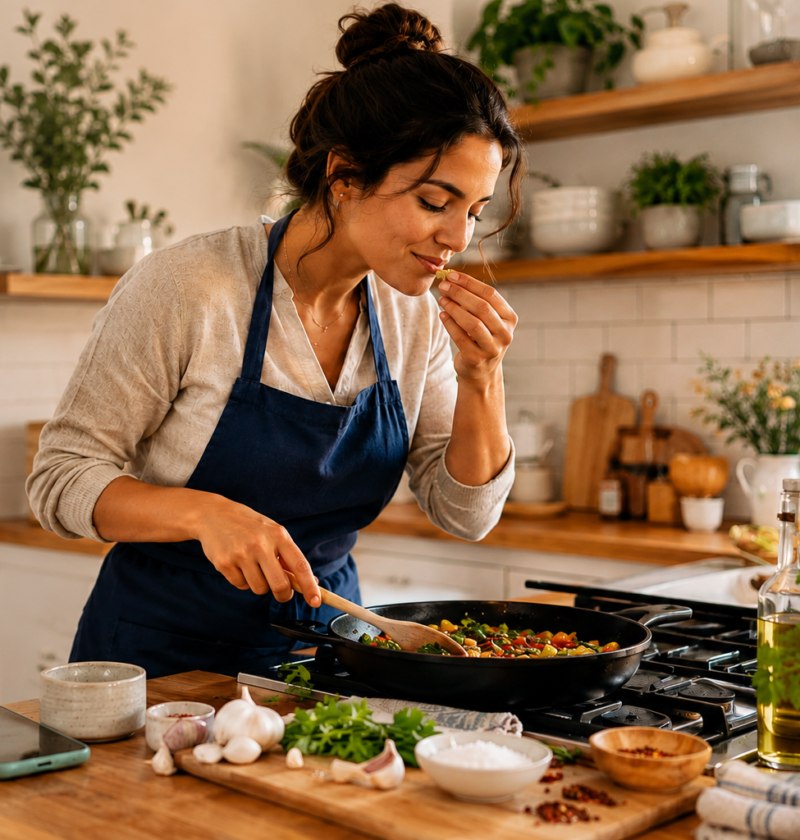
I also taste soups, sauces, and stews before adding more seasoning. I add salt, fish sauce, soy sauce, or other strong seasonings gradually, stir well, and taste again. Seasoning in stages gives me better control and prevents one flavor from overpowering the entire dish.
When frying fish, I prefer using a reliable nonstick pan. I heat the pan properly, add enough oil, pat the fish dry, and avoid turning it too soon. Once the fish develops a good crust, it usually releases from the surface more easily. A well-seasoned wok or stainless-steel pan can also work, but controlling the heat and timing becomes even more important, especially when cooking several pieces in succession.
Whenever I boil or simmer something, I set a timer on my phone. If an urgent task comes up, I turn off the heat rather than leave the stove unattended. It is always better to pause the cooking than to return to burned food—or another ruined pan.
Mistakes in the kitchen can be frustrating, but each one teaches an important lesson. Burned garlic teaches heat control. Oversalted soup teaches restraint. Torn fish teaches patience. A forgotten pot teaches attentiveness.
A confident cook is not someone who never makes mistakes. A confident cook understands what went wrong, adjusts the technique, and returns to the kitchen ready to try again.
Every experienced cook has burned garlic, oversalted a dish, overcooked meat, or made something that simply did not taste right. These moments are not proof that you cannot cook. They are part of becoming a better cook.
Mistakes Can Usually Be Fixed
Many cooking mistakes are easier to correct than you might think.
If the dish is too salty, you may be able to add more vegetables, meat, broth, water, or another unsalted ingredient.
If the sauce is too thin, simmer it longer.
If it is too thick, add a little water or broth.
If the food tastes flat, it may need salt, acidity, sweetness, spice, or more time to cook.
And when a dish cannot be saved, throw it away and do it again. Ingredients can be replaced, and recipes can be repeated. One unsuccessful meal does not define your ability to cook.
My friends laughed when I overcooked my first leche flan. Instead of turning out smooth, creamy, and delicate, it developed a firm, curdled texture that resembles more like scrambled eggs.
I ignored the teasing and studied what went wrong.
The heat was too high, and I had cooked the flan for too long. On my second attempt, I lowered the heat, watched the cooking time more carefully, and allowed the custard to cook gently.
This time, the leche flan came out smooth and delicious—and even my friends agreed. That experience reminded me that one failed attempt does not define your ability as a cook. Sometimes, the difference between failure and success is simply having the confidence to try again.
I know it will hurt; I know you will be laughed at, but that is part of the experience in becoming a good cook.
Do Not Be Afraid to Start
You do not need expensive equipment, advanced skills, or a perfect recipe to begin cooking. Sometimes, all you need is a pan, a few ingredients, and the willingness to learn and try.
Crush the garlic, heat the oil, and start frying. You may not get everything right the first time, and that is perfectly fine. Cooking becomes easier the more often you do it.
Recipes can guide you, but experience will teach you how food looks, smells, sounds, and tastes as it cooks.
And when you are starting, always, always use low to medium heat and be patient until you gain enough confidence.
Add Seasoning With Confidence
Many beginner cooks are afraid to add enough salt, pepper, soy sauce, vinegar, herbs, or spices because they worry about ruining the taste. However, food often tastes bland because it has not been seasoned properly.
Start with a small amount, mix it well, and taste the food. Then add more if needed. That is the key.
Seasoning is not about guessing perfectly. It is about tasting and adjusting. Add a little at a time until the flavor feels balanced.
Your taste buds are one of your most important cooking tools. Use them.
Stop Trying to Be Perfect
Cooking is not an exact performance where every ingredient must be measured perfectly and every step must look professional.
Home cooking is flexible. You can adjust recipes based on your taste, available ingredients, budget, and cooking style.
Your dish does not need to look like a restaurant meal or a social media photo. It only needs to taste good to you and the people you are feeding.
Some of the best meals come from simple ingredients, rough measurements, and last-minute adjustments.
Cook the Same Dish More Than Once
One of the fastest ways to become confident is to repeat recipes.
The first time, you are learning the steps. The second time, you are correcting mistakes. By the third or fourth time, you may begin cooking without constantly checking the recipe.
Each attempt helps you understand the ingredients better.
You may discover that you prefer more garlic, less sugar, extra pepper, or a longer cooking time. Eventually, the recipe becomes your own.
Learn to Trust Your Senses
As you cook more often, you will begin to notice important signs.
You will recognize when onions are soft enough, when garlic is about to burn, when meat is properly browned, and when a sauce needs more seasoning.
You will also learn to listen to the sound of food frying, smell when spices become fragrant, and notice how sauces change as they simmer.
These skills are developed through practice, not memorization.
Confidence Comes From Doing
You do not need to wait until you feel confident before cooking. Confidence develops while you cook.
Crush the garlic. Heat the pan. Add the seasoning. Taste the sauce. Make adjustments. Try again when something goes wrong.
The kitchen is one of the best places to practice patience, creativity, and problem-solving. Every meal teaches you something, even when it does not turn out exactly as planned.
Don’t be afraid to make mistakes. Food can be cooked again, seasoning can be adjusted, and recipes can be improved.
The most important thing is to keep cooking.