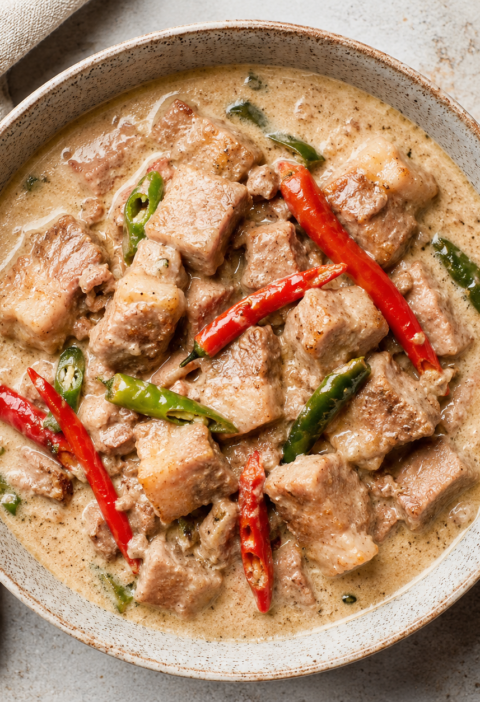
I have been using MSG or vetsin since I started cooking, and trust me, the taste of the food just gets better. I even mix a small amount of vetsin with salt when I dip fresh mangoes for an extra boost of flavor.
MSG, or vetsin, has always been a normal part of cooking in our family. My parents and grandparents used it regularly, and my grandmother continued using it well into her nineties.
For us, it was simply another seasoning, another ingredient—something added in small amounts to make soups, vegetables, meat dishes, and other savory foods taste richer and more satisfying.
Despite its common use in many households, MSG has developed a very negative reputation. Some people blame it for headaches, high blood pressure, and other health problems, while others avoid it completely because they believe it is harmful.
These claims are repeated so often that many people become afraid of MSG without fully understanding what it is or what the research actually says.
In this post, I will share what I have learned about MSG, including its history, how it is made, what food-safety authorities say about it, and why it remains controversial. I will also share my personal experience using vetsin in everyday cooking, what works well, and when it is better to use less or avoid it altogether.
Japan is consistently ranked among the world’s healthiest and longest-living countries, and MSG (Ajinomoto) has been part of Japanese food culture for generations.
This does not mean that MSG is responsible for Japan’s longevity. It simply shows that the regular use of MSG can coexist with a healthy diet, a strong food culture, and a population known for long life expectancy.
What Is MSG?
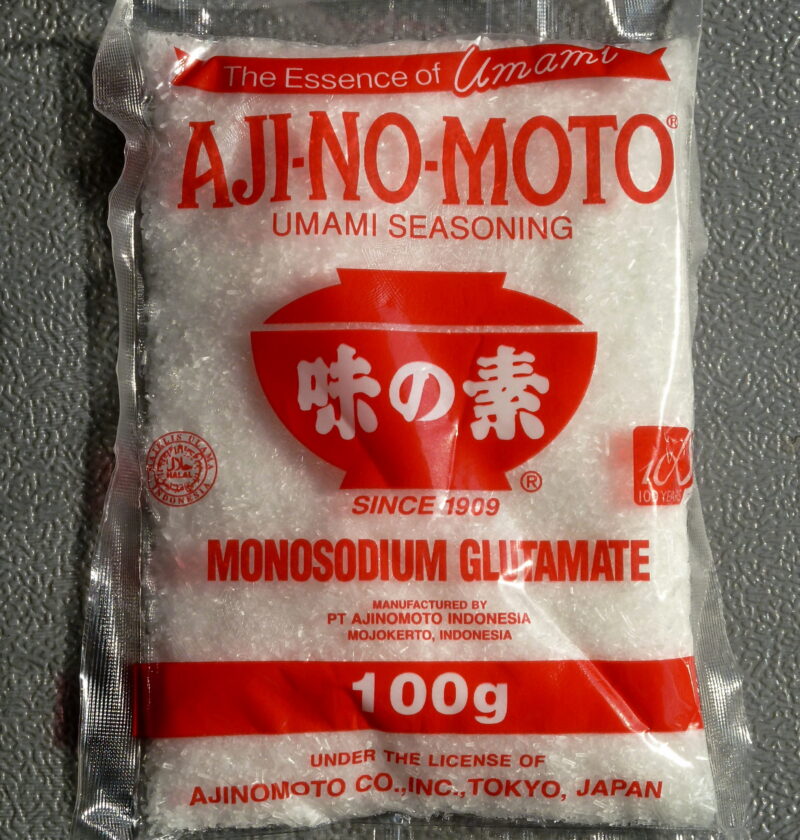
MSG, commonly called vetsin in the Philippines, is one of the most misunderstood ingredients in the kitchen.
MSG stands for monosodium glutamate. It is the sodium salt of glutamic acid, an amino acid that occurs naturally in the human body and in many foods.
Glutamate is naturally present in foods such as:
- Tomatoes
- Mushrooms
- Cheese
- Seaweed
- Soy sauce
- Meat
- Seafood
- Fermented foods
Glutamate produces the deep, savory taste known as umami, one of the five basic tastes, along with sweet, salty, sour, and bitter.
According to the U.S. Food and Drug Administration, the glutamate in MSG is chemically indistinguishable from the glutamate naturally present in food. The body ultimately processes both sources in the same way.
How Is MSG Made?
MSG was originally produced by extracting glutamate from seaweed broth.
Today, commercial MSG is generally made through the fermentation of ingredients such as sugar cane, sugar beets, starch, or molasses. The FDA compares this fermentation process with those used to make yogurt, vinegar, and wine.
Although the final product is manufactured, the fermentation process itself is not unusual in food production.
Is MSG Safe to Eat?
Yes!
The FDA considers added MSG to be “generally recognized as safe,” or GRAS.
The Joint FAO/WHO Expert Committee on Food Additives has also evaluated MSG. Its acceptable daily intake for glutamic acid and several of its salts, including MSG, is listed as “not specified.” This classification is used when the available evidence does not require a numerical daily limit under normal conditions of food use.
However, this should not be interpreted as permission to consume unlimited amounts.
The European Food Safety Authority uses a more cautious numerical limit for glutamates added to food and has noted that people with very high exposure may exceed that level. This is one reason MSG should be treated like any other seasoning: use enough to improve the dish, but not excessively.
The most reasonable conclusion is that ordinary culinary use is considered safe for most people, while unusually high intake is unnecessary.
Like salt, soy sauce, fish sauce, sugar, and other seasonings, MSG is best used in an appropriate amount as part of an overall balanced diet.
MSG in Japan: History, Use, and Longevity
MSG has a strong and well-documented connection to Japan.
In 1908, Japanese chemistry professor Kikunae Ikeda studied the savory taste of kombu seaweed broth. He isolated glutamate as the source of that taste and called it umami. Commercial production of MSG began in Japan shortly afterward.
The University of Tokyo recognizes Professor Ikeda as the discoverer of umami seasoning and notes that monosodium glutamate became widely used in Japanese households. Japan is also the home of Ajinomoto, the company most strongly associated with the commercial development and international popularity of MSG.
Japan also has one of the highest life expectancies in the world. According to the OECD’s Health at a Glance 2025 report, life expectancy in Japan was 84.1 years, approximately three years above the OECD average.
Although MSG is part of Japan’s culture, this does not prove that MSG alone makes people live longer. Japanese longevity is influenced by many factors, including healthcare, genetics, portion sizes, seafood and vegetable consumption, physical activity, social conditions, and other lifestyle habits.
MSG has been part of Japanese food culture for generations, while Japan continues to maintain a comparatively long-living population. Japan’s experience with MSG challenges the idea that ordinary MSG consumption automatically leads to poor health or a shorter life.
Why Does MSG Have Such a Bad Reputation?
Much of MSG’s negative reputation can be traced to a short letter published in a medical journal in 1968.
The writer described experiencing symptoms after eating at a Chinese restaurant and suggested several possible causes, including MSG. The account later became associated with the term “Chinese Restaurant Syndrome.”
Over time, MSG became widely blamed for headaches, flushing, numbness, dizziness, weakness, and heart palpitations.
However, the FDA reports that researchers have not been able to consistently reproduce these reactions in controlled studies involving people who identified themselves as sensitive to MSG. Some participants reacted when they believed they had consumed MSG, but similar reactions sometimes occurred after they received a placebo.
This does not mean that every reported reaction is imaginary. Individuals can respond differently to foods and ingredients. It means that the evidence does not support the idea that normal amounts of MSG consistently cause symptoms in most people.
Can MSG Cause Headaches?
Some people report headaches, tingling, flushing, nausea, or a feeling of pressure after consuming MSG.
The available evidence suggests that reactions are more likely to be reported when a relatively large amount is consumed at once, particularly without food. Controlled studies have not consistently shown that the small amount normally used in a meal causes symptoms in the general population.
The European Food Safety Authority nevertheless considers headache among the possible effects associated with sufficiently high exposure. This is another reason to use MSG as a seasoning rather than as a major ingredient.
Headaches after meals may also have other causes, including dehydration, alcohol, lack of sleep, stress, migraine, eating a very large meal, or sensitivity to another ingredient.
Anyone who repeatedly experiences symptoms after eating food containing MSG can reduce or avoid it completely. Persistent or severe symptoms should be discussed with a healthcare professional.
Does MSG Contain Sodium?
Yes.
MSG contains sodium, but it contains substantially less sodium by weight than ordinary table salt.
Table salt is approximately 39 percent sodium by weight, while MSG is approximately 12 percent sodium. In other words, MSG contains roughly one-third as much sodium as the same weight of table salt.
Because MSG adds umami rather than only saltiness, it may help maintain the flavor of certain savory foods when some of the salt is reduced. Research has found that adding MSG to reduced-salt foods can improve their acceptability without restoring all the removed sodium.
You can read more in this peer-reviewed review on using MSG as part of sodium-reduction strategies.
This does not make MSG sodium-free. It simply means that MSG and salt can sometimes be balanced to create savory food without relying entirely on salt.
Is MSG Better Than Salt?
MSG and salt perform different jobs.
Salt primarily adds saltiness and enhances the general flavor of food. MSG adds umami, which gives savory dishes greater depth and richness.
They do not have to compete with or completely replace one another. Many dishes taste best when a small amount of each is used.
For example, adding more salt to a soup that tastes flat may only make it saltier. A small pinch of MSG may provide the savory character that is missing.
MSG can be useful in dishes such as:
- Tinola
- Nilaga
- Pancit
- Fried rice
- Adobo
- Stir-fried vegetables
- Meat marinades
- Soups and broths
- Sauces and gravies
- Egg dishes
The goal is not to make the food taste strongly of MSG. It should simply make the existing flavors taste fuller and more noticeable.
How Much MSG Should You Use?
Start with a small pinch, stir it thoroughly into the dish, and taste before adding more.
The appropriate amount will depend on:
- The size of the dish
- The number of servings
- How much salt, soy sauce, or fish sauce is already present
- Whether the ingredients already contain plenty of natural umami
- Your personal taste
Foods containing mushrooms, tomatoes, cheese, seaweed, fish sauce, soy sauce, dried seafood, or rich meat broth may already contain strong umami flavors and require little or no additional MSG.
MSG should support the flavor of the food, not overpower it.
Is Food Without MSG Automatically Healthier?
No.
A food labeled “No MSG” is not automatically nutritious. It may still contain large amounts of sugar, sodium, saturated fat, or refined carbohydrates.
It may also contain naturally occurring glutamate from ingredients such as:
- Yeast extract
- Hydrolyzed vegetable protein
- Soy sauce
- Tomato powder
- Mushroom extract
- Cheese powder
The FDA requires added MSG to appear on an ingredient list as “monosodium glutamate.” However, ingredients that naturally contain glutamate are listed by their own names and do not have to be separately identified as MSG.
A homemade chicken and vegetable soup containing a small pinch of MSG may be a more balanced meal than a highly processed product labeled “No MSG.”
The overall nutritional quality of the meal matters more than a marketing claim about a single ingredient.
Can MSG Be Part of a Healthy Diet?
Yes, like the Japanese do.
A small amount of MSG can be included in a balanced diet. Whether the complete meal is nutritious depends on many other factors:
- Does it contain vegetables?
- Does it provide a suitable source of protein?
- Is the serving size appropriate?
- Is the meal varied and satisfying?
- How much sodium comes from all the seasonings combined?
- How often are highly processed foods being eaten?
One seasoning does not determine whether an entire diet is healthy or unhealthy.
Is MSG Good or Bad – Conclusion?
MSG is neither a miracle health ingredient nor a poison.
It is a flavor enhancer that is considered safe for most people when used in normal cooking amounts.
It can make soups, vegetables, meats, sauces, and other savory foods more flavorful. It may also help preserve good flavor when some of the salt in a recipe is reduced.
Japan’s long history with MSG does not prove that MSG is responsible for Japanese longevity. However, it demonstrates that MSG use can coexist with a food culture and population known for comparatively long life expectancy.
The most balanced conclusion is:
You do not need to fear MSG, but you also do not need to add it to everything. Use it in reasonable amounts, taste your food as you cook, and consider the overall quality of your meal rather than judging it by a single seasoning.
If you are one of the people who react adversely to MSG (headaches, flushing, bloating, dizziness, etc.) allergic (which is rare), it is best to avoid it entirely.
Frequently Asked Questions
Is MSG the same as vetsin?
Yes. Vetsin is the common name many Filipinos use for monosodium glutamate.
Is MSG natural or artificial?
Glutamate occurs naturally in foods and in the human body. Commercial MSG is a manufactured seasoning that is generally produced through fermentation.
Is MSG the same as gluten?
No. Glutamate and gluten are different substances. MSG itself does not contain gluten. However, seasonings such as soy sauce may contain wheat, so people with celiac disease or wheat allergies should still check product labels.
Does MSG always cause headaches?
No. Controlled studies have not consistently shown that normal food amounts of MSG cause headaches in most people. Some individuals may report symptoms, especially after consuming unusually large amounts.
Can people with high blood pressure eat MSG?
MSG still contains sodium, and, like any other ingredient, it should be considered alongside salt, soy sauce, fish sauce, processed foods, and other sodium sources in the meal.
Because individual health needs differ, anyone following a medically prescribed sodium target should follow their healthcare professional’s advice. MSG’s lower sodium content compared with table salt does not mean it can be consumed without limits.
What can I use instead of MSG?
Natural sources of umami include:
- Mushrooms
- Tomatoes
- Seaweed
- Soy sauce
- Fish sauce
- Parmesan cheese
- Dried seafood
- Meat or chicken broth
- Fermented ingredients
References and Further Reading
- U.S. Food and Drug Administration: Questions and Answers on Monosodium Glutamate
- World Health Organization: JECFA Evaluation of Monosodium L-Glutamate
- European Food Safety Authority: Review of Glutamates Added to Food
- University of Tokyo: Kikunae Ikeda and the Discovery of Umami
- OECD: Health at a Glance 2025 — Japan
- Japan Ministry of Health, Labour and Welfare: 2024 Abridged Life Tables
- Peer-Reviewed Study: The Salt Flip—Using MSG in Reduced-Sodium Foods